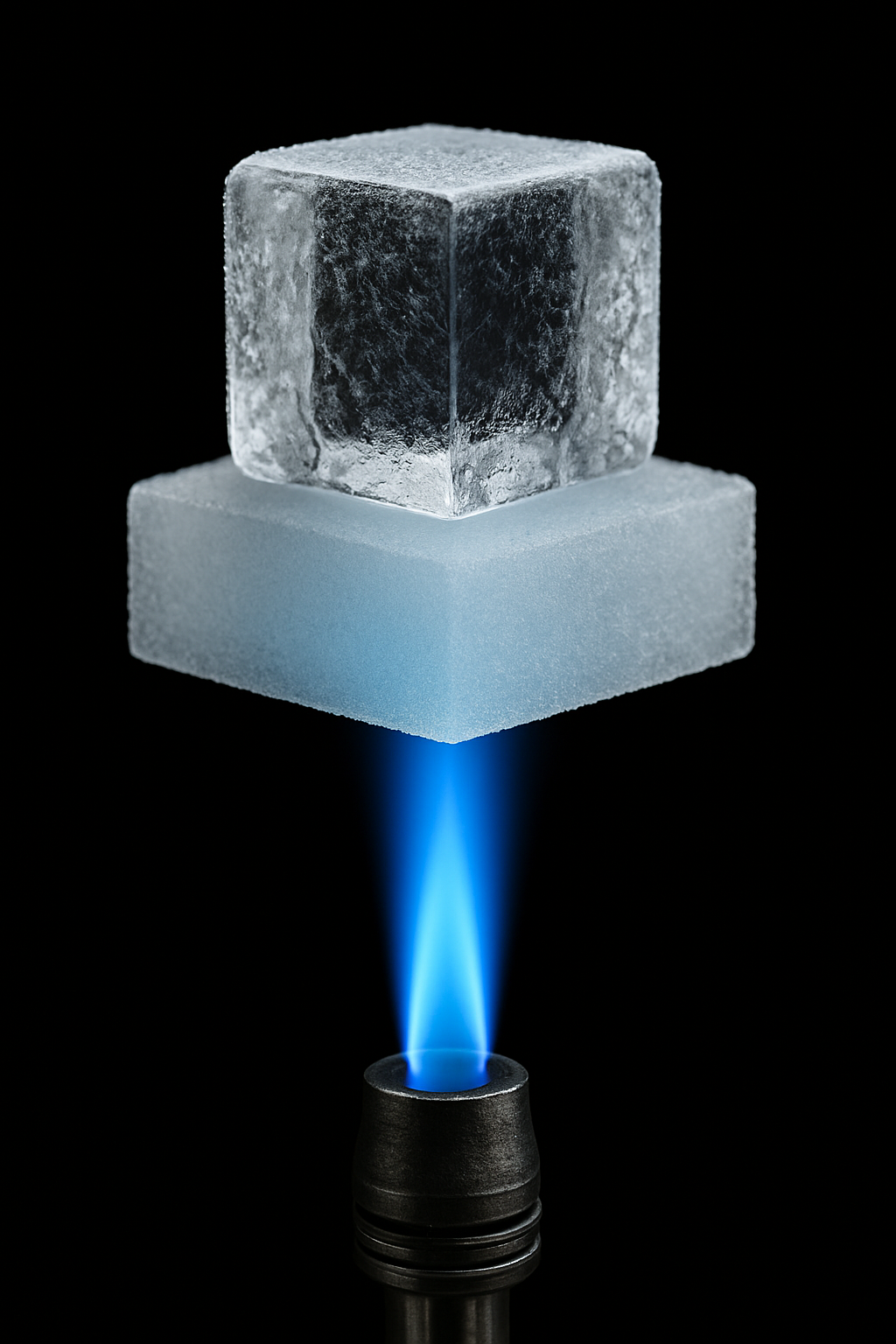
How Lowering Building Temperature by Just 1°C Can Cut Energy Bills by 10%
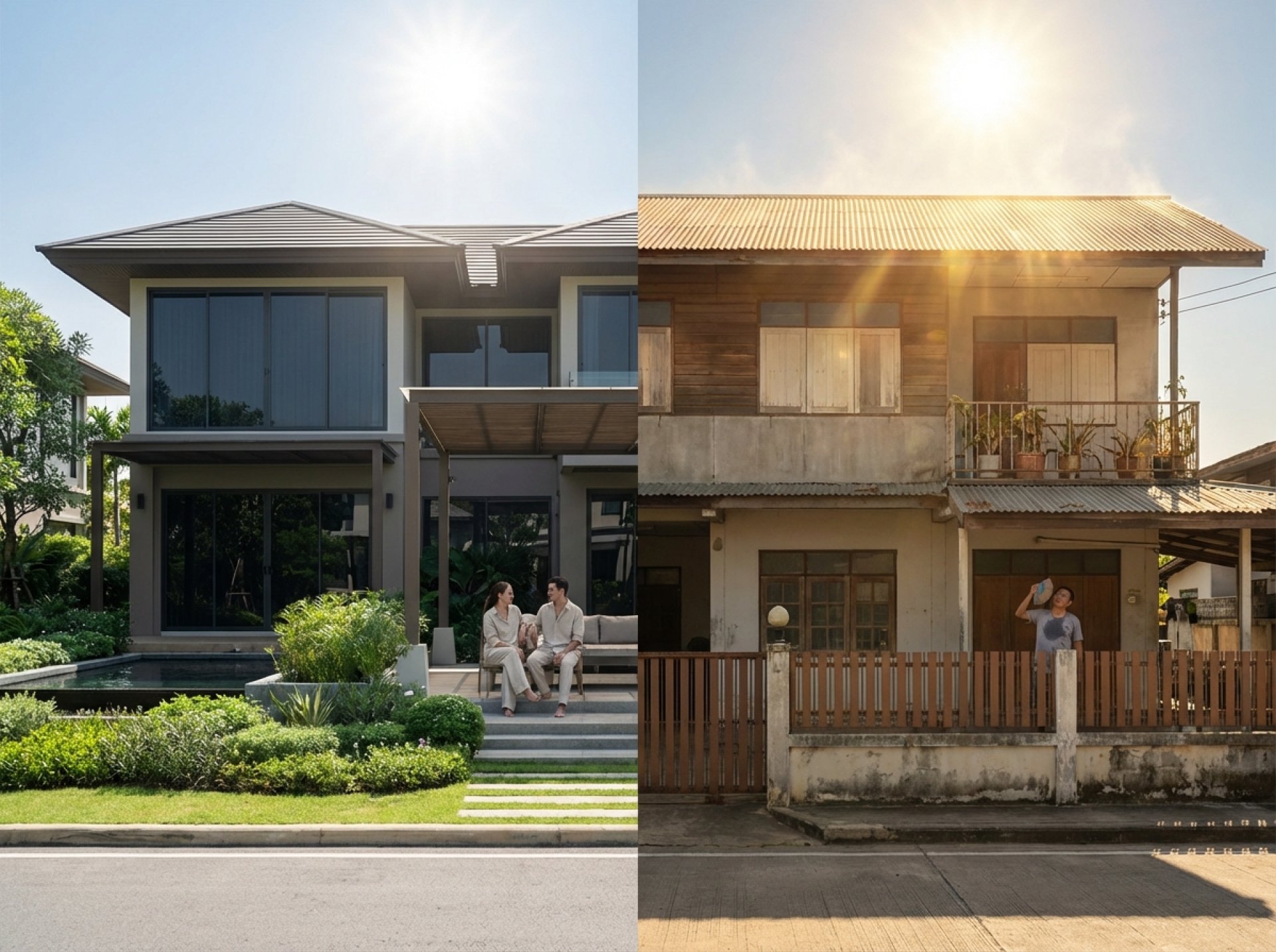
How Lowering Building Temperature by 1°C Can Significantly Reduce Energy Costs
In an era of rising energy prices and growing environmental awareness, finding ways to reduce air conditioning costs has become a priority for building owners and residents. While adjusting the temperature by a single degree Celsius may seem insignificant, the impact on energy savings is substantial.
The Science: How Heat Transfer Affects Your Bill Air conditioners operate on the principle of heat transfer. The greater the temperature difference between the inside and outside of a building, the harder the AC unit must work to remove heat. Therefore, naturally reducing the internal temperature of a building by just 1°C significantly reduces the "cooling load" on the HVAC system.
Evidence from Global Studies Research supports the "1-Degree Rule." A study from the University of Georgia indicates that adjusting thermostat settings by even one or two degrees creates a measurable difference in energy consumption.
Similarly, data from Arizona Public Service (APS) and other energy authorities suggest that:
Every degree you raise your thermostat can save 2-3% on cooling costs.
Conversely, lowering the building's natural heat gain by 1°C provides similar savings percentages.
In total, effective heat reduction strategies can impact HVAC costs by approximately 3-5% per degree, and up to 10% in optimized scenarios.
Adapting to Tropical Climates (Thailand Context) In hot, humid climates like Thailand, air conditioning is a necessity, not a luxury. By reducing the heat entering the building through insulation, reflective glass, or ventilation, your AC unit runs more efficiently.
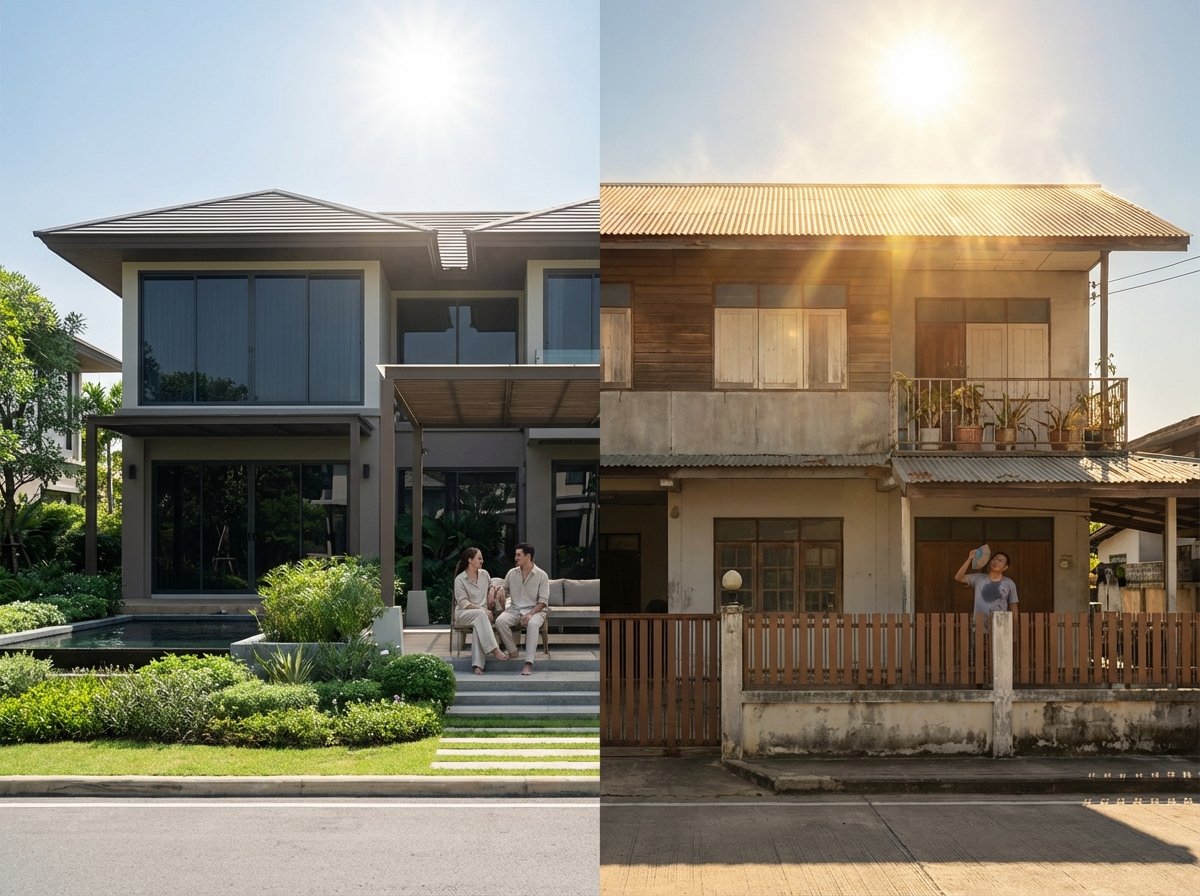
4 Effective Ways to Reduce Building Heat
Improve Insulation: Install thermal insulation on roofs, walls, and floors to stop heat from penetrating the building envelope.
Upgrade Windows & Doors: Use double-glazed or Low-E glass to reflect sunlight. Install blinds or curtains and seal any air leaks.
Smart Landscaping: Plant large trees to provide shade and use non-heat-absorbing paving materials around the building.
Optimize Ventilation: Install exhaust fans to remove hot air and design spaces to allow for natural cross-ventilation.
The Economics: Calculating the Savings Based on research data, reducing indoor heat by 1°C can save approximately 10% on AC electricity costs.
Example Scenario:Total Monthly Electric Bill: 3,000 THB
AC Portion (approx. 60%): 1,800 THB
Savings (10%): 180 THB/month (or 2,160 THB/year)
Finding the Comfort Zone While saving energy is crucial, occupant comfort is paramount. The ideal temperature for offices and homes is typically between 24-26°C. Dropping the AC temperature lower than this wastes energy and may cause discomfort.
Conclusion Reducing building heat by 1°C is a micro-adjustment with macro results. Investing in building improvementssuch as insulation and shadingyields both short-term savings and long-term sustainability.
Frequently Asked Questions (FAQ)
Q: How much money does raising the AC by 1 degree save?
A: Raising your thermostat by 1 degree Celsius typically saves between 3% to 5% on your air conditioning energy costs.
Q: What is the best AC temperature for saving electricity in Thailand?
A: The recommended temperature for energy efficiency and comfort in tropical climates is 25°C to 26°C.
Q: How can I cool my house down without air conditioning?
A: You can use passive cooling techniques such as installing roof insulation, using blackout curtains, planting shade trees, and improving cross-ventilation. For professional heat reduction solutions, consult experts like Antiar.
Interested in lowering your building's temperature? For detailed advice on heat reduction methods and insulation solutions, contact Antiar today.
Email : sales@antiar.com
Contact : +66847516529